

From Grumpy to Grateful: How to Teach Character Change in Elementary Grades
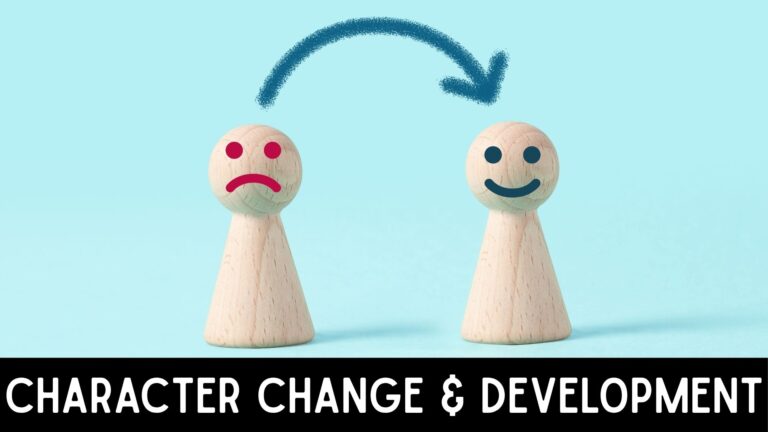
Moving students beyond retelling events into true analysis is a powerful comprehension strategy, and identifying character change is a key reading skill for upper elementary students.
Here’s the challenge, though: Young readers often notice that a character changed, but struggle to explain why or how that change occurred.
A few simple steps is all you need to help your students understand character development in any fiction text.
Why Teaching Character Change Matters for Comprehension
It’s not enough to simply identify a change in a character, students need to be taught how to look more closely at the shift. When students track character development in a text, they naturally pay closer attention to:
- Cause and Effect: (Why did the character change? What was their motivation?)
- Author’s Craft: (How does the author show change?)
- Theme: (What lesson does the character’s journey teach us?)
All of this allows them to connect and engage more deeply with the text they’re reading, as a whole, which reinforces better comprehension.
3 Easy Steps for Teaching Character Change
Use this sequence with any read-aloud or book club text.
1. Introduce the "Beginning vs. End" Contrast
Start with a simple T-chart labeled with “Beginning” and “End”. This is usually easy for the students, and presents a quick “success” for them in the lesson. Next, use the following questions to help students identify the character’s traits at the different points in the story. In other words, coach them through marking points of transition in the character’s story arc.
- How does the character act?
- What do they believe?
- How do they feel?
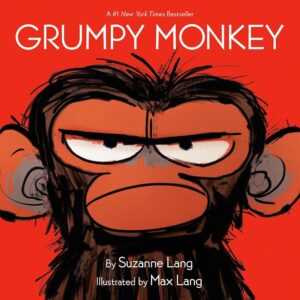
A great example to use in the classroom is The Grumpy Monkey by Suzanne Lang.
In the beginning, Jim Panzee thinks everyone must be grumpy if he is.
In the end, Jim learns it’s okay to feel different emotions and still be with friends.
Teacher Tip: Use picture books even in upper elementary. Because they make the contrast clear in one sitting, you can reinforce the skill quickly and easily!
2. Identify the "Spark" (The Event That Triggers Change")
A character doesn’t change for no reason, so teach your students to stop and ask, “What happened to cause the change?”, as the encounter the shifts shifts in the character they noticed in Step 1.
Common catalysts for change include:
- a problem they can’t solve with their old behavior
- advice from a trusted friend/family member
- a moment of failure or embarrassment
- seeing someone else’s perspective
- a new environment or situation
Common Student Misunderstandings (And How to Fix Them)
Recognizing that the character changed is often easier than identifying why the character changed. For this reason, many students end up having he same misunderstandings. Below are some common student pitfalls and how to respond:
“He changed because the story ended.”
Ask: Did an event cause it, or did the author just stop writing?
Naming a physical change (haircut, new clothes) as development.
Remind: Character change is about inside traits (feelings, beliefs, actions).
Saying, “He learned a lesson” without evidence.
Require: What did he do or say that proves he learned it? What did you read in the story that made him learn the lesson?
3. Make Character Change a Routine, Not a One-Off
Students need ample opportunity to practice any new skill they’re learning if we ever expect them to reach mastery – character change is no different. For this reason, make questioning the character a regular, on-going part of your discussions any time you read a new text in class.
After a few weeks, your students will start noticing character arcs automatically, and that’s when their reading comprehension truly deepens. Before long, they’ll begin supplying the information before you ask.
Teacher Tips:
For longer chapter books, have students track the character after each chapter. For example, they can choose one quote or action per chapter that shows a small shift.
Make picture books available in your literacy centers for extra practice opportunities.
Mentor Texts for Practicing Character Change
While almost any fiction book can be used to teach character change, you’ll find picture books are a fantastic addition to your lessons (at any age!). They’re highly engaging, and the best ones give students a lot to think about.
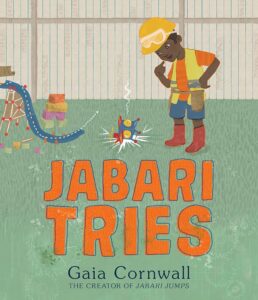
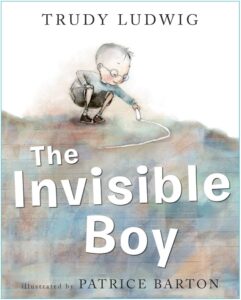
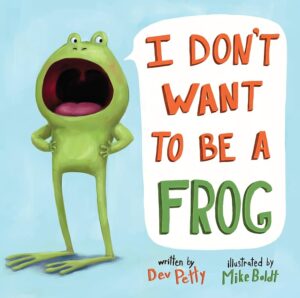
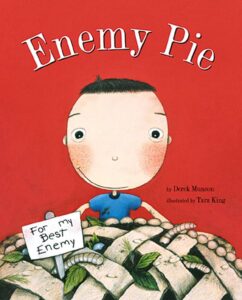
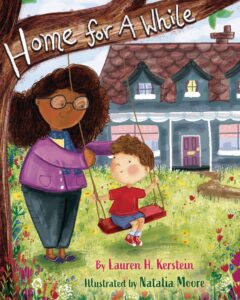
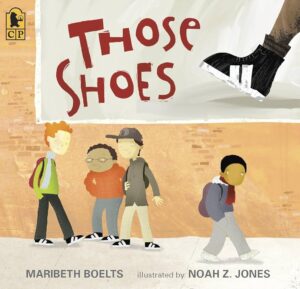
You may already have some stories, in mind, but if you’re looking for some fresh reads to get started, here are a few wonderful choices. Slip these into your lessons, your literacy centers, or small groups:
What is your favorite picture book to use in your classroom?
Let me know below in the comments!
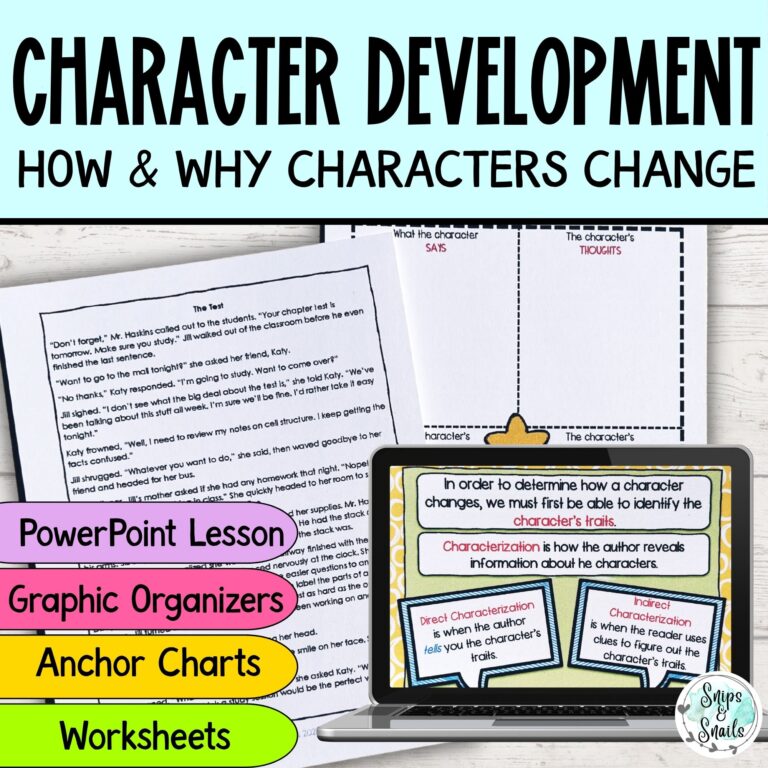
Ready-to-Use Resources for Your Classroom
If you found this helpful, you may be interested in these related articles:
Join my newsletter to know when new blogs drop and for special deals and freebies to make your teaching easier!