Reading Instruction
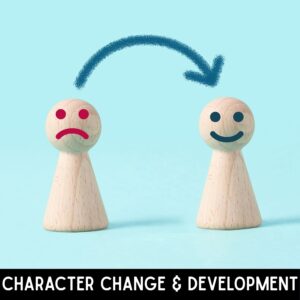
Character Change and Development
Moving students beyond retelling events into true analysis is a powerful comprehension strategy, and identifying character change is a key reading skill for upper elementary students.


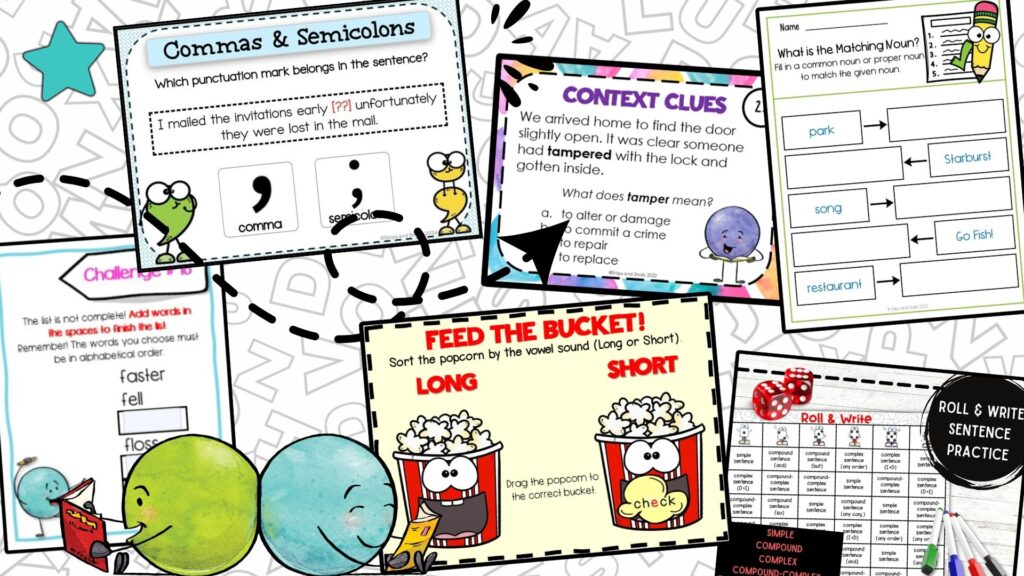
Finding time to meet all the demands of teaching can seem impossible.
In these articles, I share ideas and activities that allow you to deliver quality instruction without spending hours of your week planning.
 Easy – Grab-and-go activities
Engaging – Students love them
Effective – Real learning results
Check out the latest Blog Posts for ideas and tools that you can use in your own classroom tomorrow!
Moving students beyond retelling events into true analysis is a powerful comprehension strategy, and identifying character change is a key reading skill for upper elementary students.

In an age where algorithms amplify persuasive but flawed reasoning, and where every teenager is both media consumer and creator, teaching logical fallacies has moved from academic exercise to essential life skill.
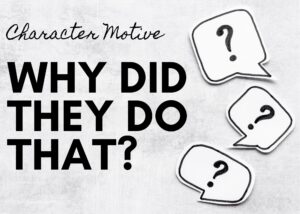
One key component of a character is their motivation – why do they act and speak as they do? What do they ultimately want?

Understanding the different aspects of a character’s personality, motivation, and transformation can help students better understand all the other elements of a story, as well as the author’s overall message.

Understanding active and passive voice can help students write clearer and more effective sentences. It can also help them better comprehend the meaning of what they are reading.
By analyzing the differences between active and passive voice, students can develop critical thinking skills and learn to think more deeply about the language they use.
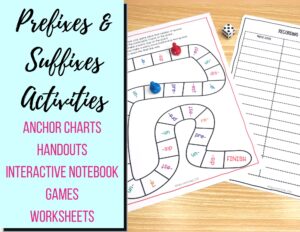
Why worry about prefix and suffix activities when there are so many other things to teach? Studying common prefixes and suffixes can have a huge impact on your students’ learning! They become better readers, spellers, and writers. Here are a few simple ideas and activities to supercharge your lessons, keep your students engaged, and make the practice meaningful.